Get Sagging Floor Repair
Sagging floor repair services help property owners fix uneven, weakened, or sagging floors caused by structural issues, involving projects like joist replacement and subfloor stabilization with experienced local contractors.
Sagging floors can be a sign of structural issues that may need prompt attention to prevent further damage. Property owners in the area often explore repair options to maintain the safety, stability, and value of their homes or commercial spaces. Understanding the causes of floor sagging and exploring local contractor options can help in planning a suitable approach to address these concerns effectively.
By comparing services provided by nearby contractors, property owners can find solutions tailored to their specific needs. Access to experienced local service providers ensures that the repair work is handled with expertise, helping to restore the integrity of the flooring while fitting into broader property maintenance or renovation plans. Keep reading to learn more about available options and how to connect with qualified professionals in the area.
- Sagging Floor Repair - needed when floors feel uneven or bounce underfoot, indicating structural issues.
- Subfloor Stabilization - required if the subfloor shows signs of sagging, cracking, or water damage.
- Floor Leveling - necessary when existing flooring surfaces are uneven or creating tripping hazards.
- Joist Reinforcement - advised if floor joists are weakened, cracked, or compromised over time.
- Foundation and Support Repair - essential when foundation settling or shifting causes floors to sag or become unstable.
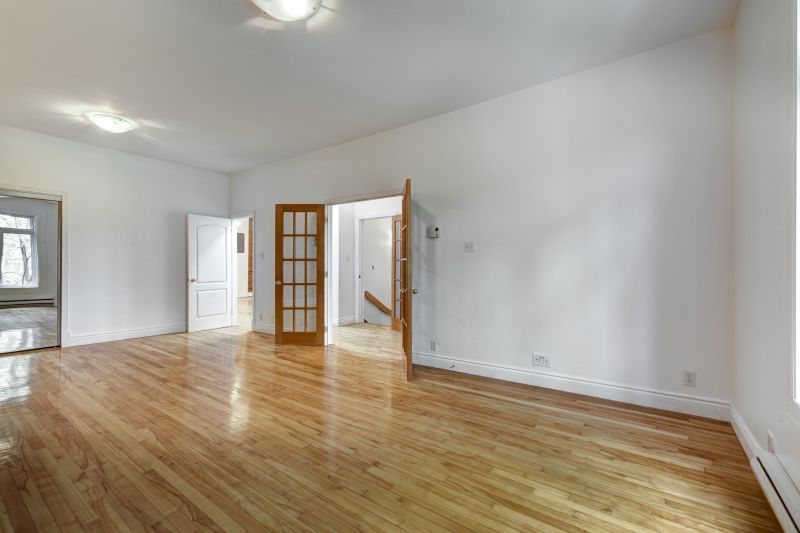
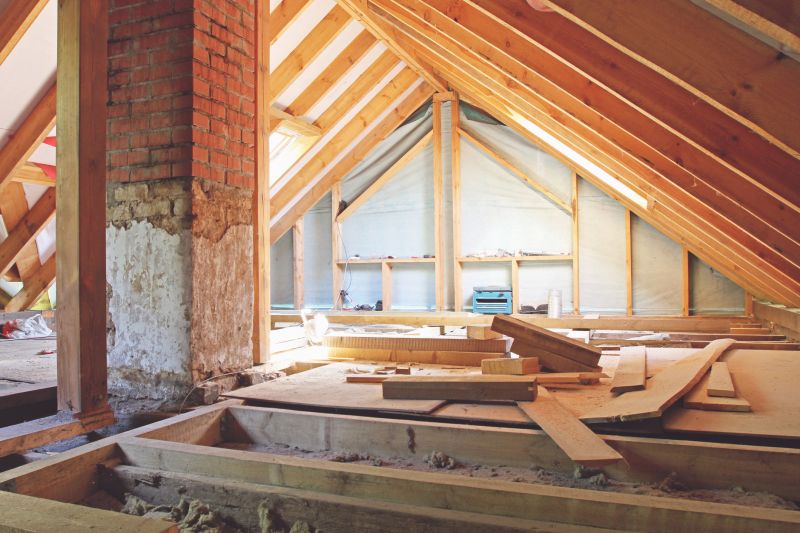
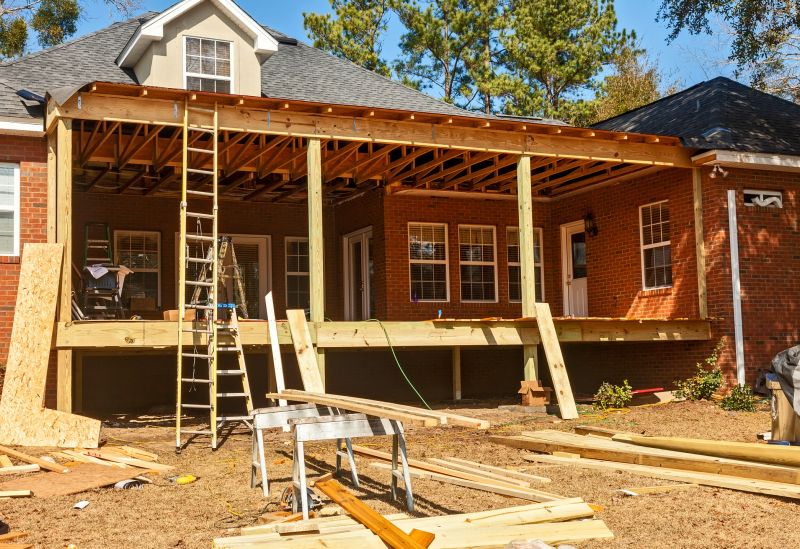
Sagging floor repair services focus on stabilizing and leveling floors that have become uneven or bowed over time. This process typically involves assessing the underlying causes of the sagging, such as weakened joists, damaged supports, or shifting foundations. Once the problem areas are identified, experienced contractors may reinforce or replace compromised framing, install additional supports, or lift and level the floor surface to restore stability. The goal is to create a safe, even walking surface that improves the overall comfort and functionality of the space.
Sagging floors often result from structural issues that can lead to safety concerns or further damage if left unaddressed. Common problems include sagging or bouncing floors, creaking sounds, or noticeable dips and unevenness. These issues can be caused by old or damaged joists, moisture damage, pest infestation, or settling foundations. Repairing a sagging floor not only enhances safety but can also prevent more costly repairs down the line, such as foundation work or extensive remodeling. Homeowners experiencing these signs are encouraged to seek professional assessment and repair services.
This type of repair service is often needed in residential properties, including single-family homes, townhouses, and older houses with aging structures. It may also be relevant for certain commercial buildings with wooden or raised flooring systems. Properties that have experienced moisture problems, foundation shifts, or structural wear are more likely to require sagging floor repairs. Homeowners who notice uneven surfaces, loose flooring, or difficulty in moving furniture should consider consulting local contractors to evaluate whether repairs are necessary to restore the integrity of their floors.
When considering sagging floor repair, property owners should look for experienced local service providers who specialize in structural stabilization. These professionals typically perform thorough inspections to determine the root cause of the problem and recommend appropriate solutions. Repair methods can vary depending on the severity of the sagging and the type of property, but generally involve reinforcing framing, installing new supports, or lifting the floor to its proper level. Connecting with qualified local contractors ensures that the repair work is tailored to the specific needs of the property, helping to restore safety, stability, and comfort.
The overview below groups typical Sagging Floor Repair projects into broad ranges so you can see how smaller, mid-sized, and larger jobs often compare in your area.
In many markets, a large share of routine jobs stays in the lower and middle ranges, while only a smaller percentage of projects moves into the highest bands when the work is more complex or site conditions are harder than average.
Smaller Repairs - Typically, minor sagging floor repairs cost between $250 and $600. Many routine fixes fall within this range, covering localized sections or small sections of flooring. Larger or more complex repairs may require additional investment.
Moderate Projects - For more extensive sagging issues affecting larger areas, costs generally range from $600 to $2,000. These projects often involve replacing or reinforcing multiple sections of flooring and are common for mid-sized repairs.
Full Floor Replacement - Complete replacement of a sagging floor can range from $3,000 to $8,000 or more, depending on the size and materials used. Such projects are less frequent and typically involve significant structural work.
Major Structural Repairs - Larger, more complex projects involving foundational work or extensive support system upgrades can exceed $10,000. These are less common but necessary for severe structural issues requiring comprehensive intervention.
Actual totals will depend on details like access to the work area, the scope of the project, and the materials selected, so use these as general starting points rather than exact figures.
Foundation Stabilization Projects - These projects involve assessing and reinforcing building foundations, requiring skills in structural assessment and the use of specialized tools similar to those used in sagging floor repairs.
Joist Reinforcement and Replacement - Local contractors often handle joist repairs that involve strengthening or replacing floor support structures, sharing techniques used in fixing sagging floors.
Subfloor Repair Services - Repairing or replacing damaged subfloors involves similar planning and tools as sagging floor restoration, ensuring a level and stable surface.
Basement and Crawl Space Support - Installing supports or piers in basement or crawl space areas requires expertise in load distribution similar to sagging floor solutions.
Structural Beam Installation - Adding or replacing support beams to improve structural integrity is related to sagging floor repair, involving similar planning and material handling skills.
Floor Leveling and Shimming - Techniques for leveling uneven floors using shims or other methods are directly related to the skills used in sagging floor correction projects.
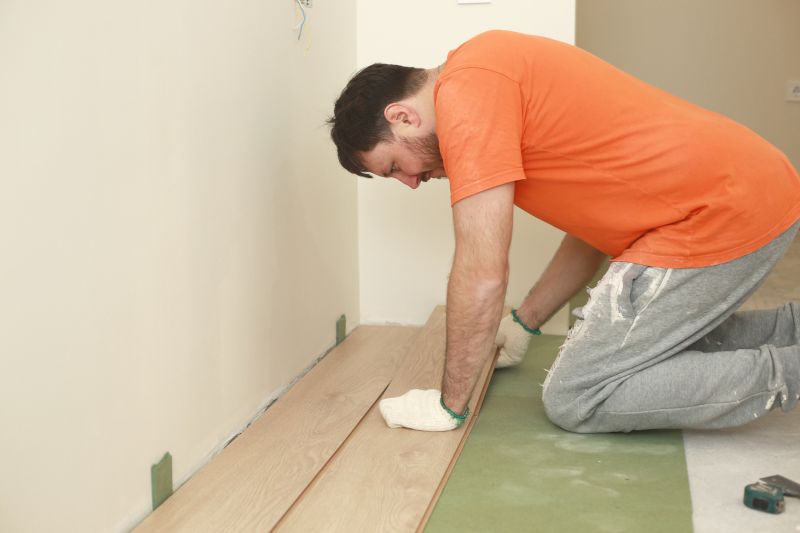
When evaluating service providers for sagging floor repair, it’s important to consider their experience with similar projects. Local contractors who have handled floors with comparable issues can offer insights into effective solutions and potential challenges. Asking about their past work on sagging floors, including the types of repairs performed and the outcomes achieved, can help determine if they have the relevant expertise to address the specific needs of the home. This background can provide confidence that the contractor understands the nuances of floor stabilization and leveling.
Clear, written expectations are essential when comparing local pros. A reputable service provider should be able to outline the scope of work, materials to be used, and the steps involved in the repair process in a detailed, understandable manner. Having this information in writing helps ensure there are no surprises and that both parties are aligned on what the project entails. It also provides a reference point should questions or concerns arise during the course of the work, contributing to a smoother and more transparent experience.
Reputable references and good communication are key indicators of a dependable contractor. Pros who can provide references from previous clients with similar projects demonstrate a track record of satisfied customers. Additionally, a service provider who communicates clearly and promptly can make the process easier to navigate, addressing questions and updates effectively. It’s important to remember that this site introduces homeowners to local options for sagging floor repair; it does not perform the work itself. Connecting with experienced, communicative, and well-referenced local contractors can help ensure the repair is handled professionally and efficiently.
Property owners use Sagging Floor Repair services for practical projects around their homes and businesses. This guide focuses on everyday jobs and straightforward project options.
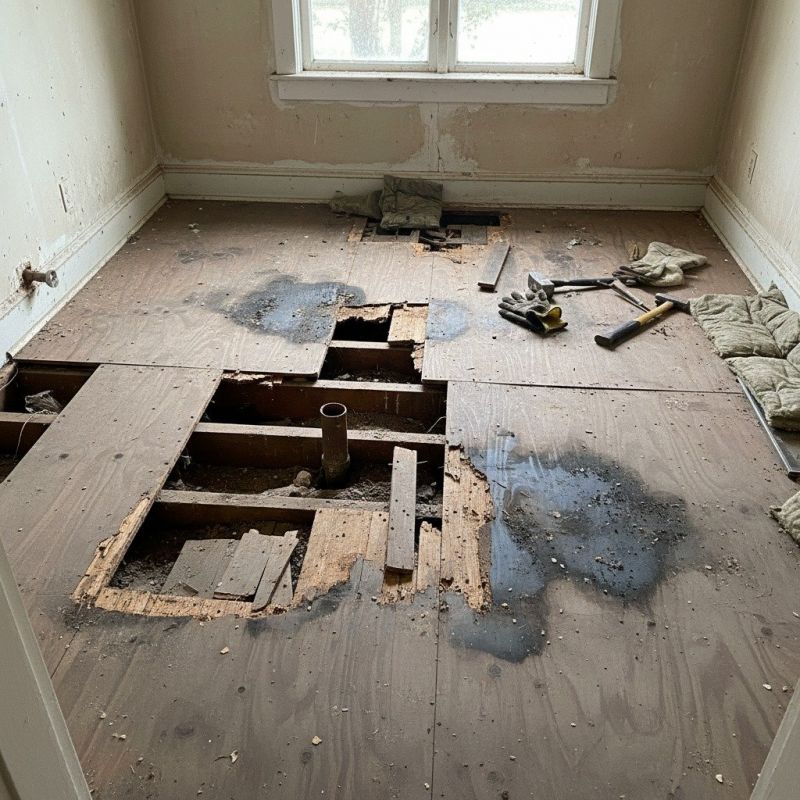
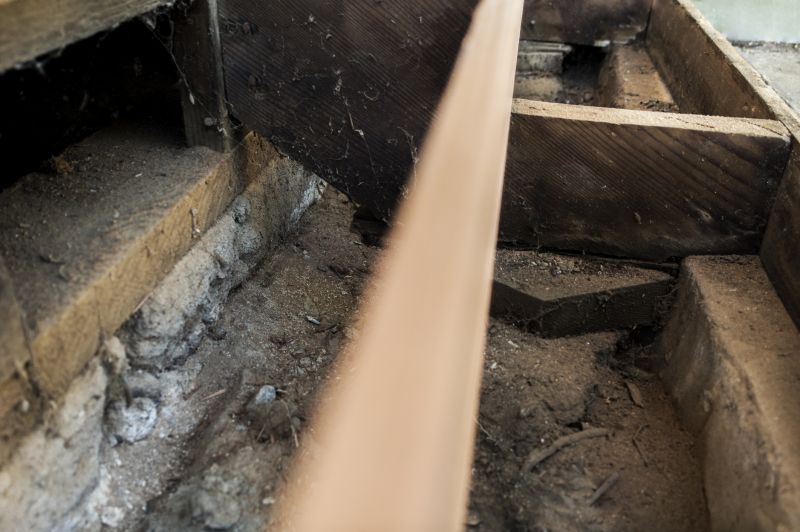
Sagging floors can become a noticeable issue in homes and commercial properties, often resulting from structural wear, moisture problems, or previous renovations that didn't account for proper support. Property owners may seek repair services when they notice creaking sounds, uneven surfaces, or visible dips in their flooring, especially in areas like basements, living rooms, or upper levels. Local contractors who specialize in floor stabilization can assess the situation and recommend appropriate solutions to restore safety and stability.
Many property owners turn to local service providers when experiencing signs of a sagging floor, such as doors that no longer close properly or gaps between walls and floors. These issues can be caused by foundation settling, weakened joists, or damaged support beams. Local pros are equipped to handle a variety of repair needs, helping homeowners and business owners address sagging floors effectively to prevent further structural problems.
What causes floors to sag? Sagging floors are typically caused by structural issues such as weakened or damaged joists, moisture problems, or foundation settlement that compromise the support system underneath the flooring.
How can sagging floors be repaired? Local contractors may use methods like sistering joists, installing additional supports, or replacing damaged framing to restore stability to sagging floors.
Is it necessary to replace the entire floor if it sags? Not always; in many cases, targeted repairs to the supporting structure can address sagging without full floor replacement, depending on the extent of the damage.
What are signs that indicate a floor is sagging? Visible unevenness, creaking sounds, noticeable dips or slopes, and gaps between the floor and baseboards can all signal a sagging floor issue.
How do local service providers assess sagging floors? They typically perform a visual inspection and may use tools to evaluate the condition of the joists and supports to determine the appropriate repair approach.
Identify uneven floors in your home - homeowners can use this service to find local contractors who can assess and repair sagging floors before they cause further damage.
Prepare for home renovations involving flooring - property owners planning to remodel can benefit from professional repairs to ensure a stable foundation for new flooring installations.
Address creaking or bouncing floors - those experiencing discomfort or safety concerns can connect with service providers to reinforce and stabilize their flooring systems.
Restore the structural integrity of a basement or crawl space - property owners can have local contractors repair sagging floors that may be affecting the stability of lower levels.
If you are thinking about Sagging Floor Repair for a property, this guide is meant to help you understand the work, the typical project types, and how different options might fit your plans.
When you are ready, you can use the quote form on this page to share a few details about your project. From there, local pros can review the basics and respond with options that match what you have in mind.